
Introduction
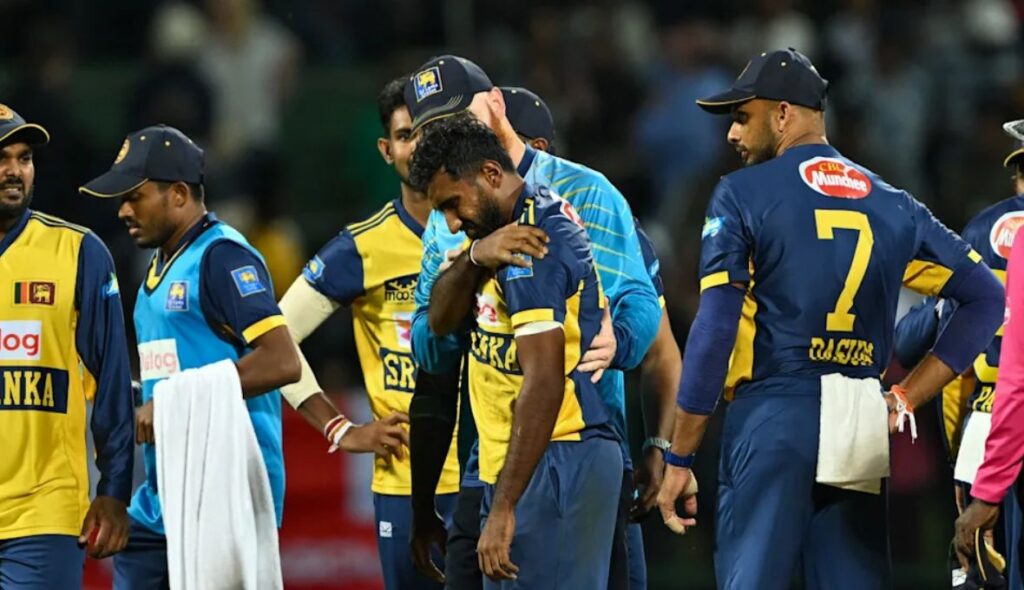
Sri Lanka’s preparations for the ICC Men’s T20 World Cup 2026 have suffered a significant setback with a frontline fast bowler ruled out due to injury just before the tournament begins. As one of the co-host nations, Sri Lanka entered the competition with strong expectations from fans and cricket experts alike. However, injuries at crucial moments can disrupt team balance, strategic planning, and overall confidence.
The management quickly responded by naming a replacement pacer, ensuring the squad remains competitive heading into the global tournament. While last-minute squad changes are not uncommon in international cricket, losing a frontline fast bowler ahead of a major event inevitably raises questions about bowling strength, team combinations, and tournament prospects.
This article provides an in-depth analysis of Sri Lanka’s injury setback, replacement strategy, team implications, squad depth, tournament expectations, and how this development may impact their T20 World Cup 2026 campaign.
Injury Blow Before the Tournament – What Happened?
Injuries are an unfortunate reality in modern cricket due to packed international schedules, franchise leagues, and high-intensity training demands. Sri Lanka’s pace attack was expected to play a crucial role in home conditions, making this injury particularly concerning.
Key Concerns from the Injury
- Loss of an experienced pace option
- Disruption to pre-planned bowling combinations
- Increased workload for remaining bowlers
- Possible tactical adjustments required
The timing, just before the tournament, adds further complexity as teams have limited preparation time.
Importance of Fast Bowlers in T20 Cricket
Fast bowlers are central to success in T20 formats. Their role extends beyond simply taking wickets.
Roles Played by Fast Bowlers
Powerplay Specialists
Early wickets restrict opposition scoring.
Middle Overs Control
Variations and slower balls limit run flow.
Death Overs Execution
Yorkers, slower deliveries, and accuracy are critical.
Sri Lanka’s bowling plans heavily relied on pace strength, making this injury a tactical challenge.
Replacement Pacer – Opportunity Amid Challenge
The selected replacement now has an opportunity to prove himself on the global stage.
What Teams Look for in Replacement Players
- Match fitness and readiness
- Adaptability to pressure situations
- Tactical understanding
- Ability to fit existing team combinations
A strong performance from the replacement could offset the loss significantly.
Sri Lanka’s Pace Bowling Depth
Despite the setback, Sri Lanka possesses a developing pace attack.
Strengths of Sri Lankan Pace Unit
- Young fast bowlers with pace potential
- Improved fitness standards
- Exposure through franchise leagues
- Tactical adaptability
However, consistency remains a work in progress.
Spin Bowling – Sri Lanka’s Traditional Strength
Historically, Sri Lanka has relied heavily on spin bowling, particularly in subcontinental conditions.
Advantages of Strong Spin Attack
- Control during middle overs
- Ability to exploit turning pitches
- Strategic field placement opportunities
Spin depth could help compensate for pace bowling loss.
Batting Strengths Heading Into T20 World Cup
Sri Lanka’s batting lineup offers promise.
Key Batting Features
- Aggressive top-order players
- Flexible middle order
- Finishing power in lower middle order
Consistent batting performances will be essential.
Home Advantage as Co-Hosts
Hosting matches offers several advantages.
Benefits of Home Conditions
- Familiar pitches
- Crowd support
- Climate adaptation
- Reduced travel fatigue
These factors may offset injury-related setbacks.
Tournament Expectations for Sri Lanka
Expectations remain high despite the injury.
Goals for the Tournament
- Strong group-stage performance
- Competitive knockout appearances
- Developing young talent
Balancing performance with long-term team development remains important.
Challenges Ahead for Sri Lanka
Key Challenges Include
- Maintaining bowling balance
- Managing player workload
- Ensuring batting consistency
- Handling tournament pressure
These challenges require tactical planning.
Impact on Team Strategy
Injury replacements often trigger strategic changes.
Possible Tactical Adjustments
- Increased reliance on spin bowlers
- Flexible batting order
- Conservative bowling rotation early on
Strategic flexibility is crucial.
Role of Team Management and Coaching Staff
Coaching staff play a vital role in navigating setbacks.
Responsibilities Include
- Player confidence management
- Tactical adjustments
- Fitness monitoring
- Match preparation
Strong leadership helps maintain team stability.
Psychological Impact of Last-Minute Injuries
Player morale can be affected by sudden injuries.
Potential Psychological Effects
- Increased pressure on remaining players
- Need for mental resilience
- Opportunity for team unity
Positive team culture helps overcome adversity.
Fan Reactions and Public Sentiment
Fans closely follow squad updates.
Common reactions include:
- Concern about bowling strength
- Support for replacement player
- Continued optimism for tournament success
Fan support remains important.
Comparison With Previous T20 Campaigns
Sri Lanka has experienced both success and challenges in past tournaments.
Key Lessons from Past Campaigns
- Importance of squad depth
- Adaptability to conditions
- Consistent batting contributions
These lessons remain relevant.
Global T20 Competition Landscape
The T20 World Cup features highly competitive teams.
Major Contenders Include
- India
- Australia
- England
- Pakistan
- West Indies
Sri Lanka aims to compete strongly among them.
Emerging Players to Watch
Injuries often create opportunities for new talent.
Potential Breakout Factors
- Fearless gameplay
- Adaptability to international stage
- Strong domestic performances
Such players can reshape team dynamics.
Fitness Management in Modern Cricket
Injury prevention is increasingly important.
Key Focus Areas
- Workload monitoring
- Recovery protocols
- Sports science integration
- Nutrition management
These factors support long-term performance.
Importance of Squad Depth in ICC Tournaments
Major tournaments demand strong bench strength.
Benefits of Squad Depth
- Injury coverage
- Tactical flexibility
- Competitive internal environment
Sri Lanka continues developing depth.
Future Prospects for Sri Lankan Cricket
Despite challenges, Sri Lankan cricket shows promise.
Positive Indicators
- Youth development programs
- Domestic league growth
- Improved international exposure
Long-term prospects remain encouraging.
Expert Opinions on Sri Lanka’s Chances
Cricket analysts believe:
- Injury is a setback but manageable
- Spin attack remains a strength
- Batting consistency will be decisive
Balanced performance remains key.
What Success Looks Like for Sri Lanka
Success may include:
- Competitive group-stage results
- Knockout qualification
- Player development achievements
Such outcomes strengthen future prospects.
Conclusion
Sri Lanka’s injury setback ahead of the ICC Men’s T20 World Cup 2026 presents a challenge but not an insurmountable one. The loss of a frontline fast bowler requires tactical adjustments, careful workload management, and strong team cohesion. However, Sri Lanka’s spin strength, improving batting lineup, and home advantage as co-hosts provide reasons for optimism.
The replacement pacer now has a valuable opportunity to contribute on the global stage, potentially turning adversity into success. As the tournament unfolds, Sri Lanka’s adaptability, strategic planning, and player resilience will determine how effectively they navigate this setback.
Cricket tournaments often reward teams that overcome challenges with determination and smart tactics. Sri Lanka’s journey in the T20 World Cup 2026 will be closely watched as fans hope the team transforms this early hurdle into motivation for strong performances.